
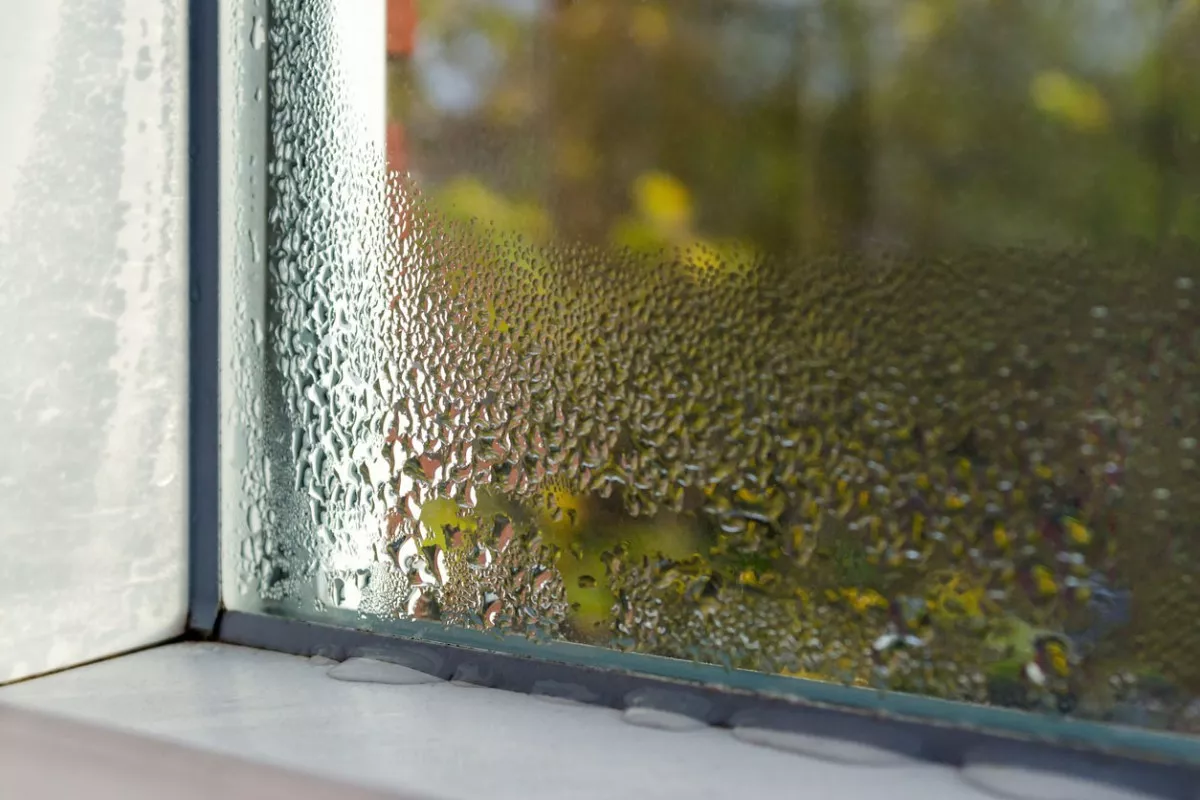
If you live in Northeast Florida, you know the feeling. Step outside in July, and it hits you like a wall. The humidity wraps around you, making everything feel heavier, stickier, more exhausting. Your air conditioning works overtime to keep your home comfortable, but that same humidity that makes you miserable is also working against your AC system in ways you probably haven't considered.
The truth is, Florida's relentless humidity doesn't just affect comfort. It's quietly damaging your air conditioning system right now, costing you money in repairs and shortening the lifespan of equipment you've invested thousands of dollars in. The good news? Understanding how humidity damages your AC and what you can do about it can help you avoid some expensive problems.
Jacksonville's Humidity by the Numbers
To understand how humidity impacts your AC, let's look at what we're actually dealing with here in Northeast Florida.
To put this in perspective, homeowners in northern states average just 1,500 to 2,000 hours of AC operation per year. Your system is essentially running twice as hard for twice as long. And when it runs, it's producing massive amounts of water.
A typical Florida AC system produces between 5 and 20 gallons of water per day through its condensate drain. That water has to go somewhere, and when it doesn't drain properly, that's when problems start.
The Four Ways Humidity Destroys Your AC
Humidity attacks your air conditioning system on multiple fronts. Here's how it damages each critical component:
Evaporator Coil Corrosion and Mold Growth
Your evaporator coil is constantly wet as it removes moisture from your indoor air. In humid climates, it stays wetter longer and experiences more freeze-thaw cycles. Mold grows rapidly on these surfaces within 24 to 48 hours when conditions are right. Mold buildup reduces cooling efficiency by up to 30 percent and compromises your indoor air quality. The coil can also experience corrosion that weakens the copper tubing, leading to refrigerant leaks.
Condensate Drain Clogs
This is the number one service call in Florida. Your condensate drain line removes all that water your AC produces. In humid climates, algae and mold grow faster inside these narrow pipes, blocking water flow. When the drain clogs, water backs up into your system and creates humidity problems inside your home. A clogged drain also risks water damage to your walls, ceiling, and structural components. Repair costs for water damage from a backed-up drain can exceed $5,000.
Ductwork Condensation and Mold
Moisture condenses on the inside and outside of your ductwork in humid environments. This creates the perfect environment for mold growth inside your ducts, which then spreads mold spores throughout your home every time your AC runs. Cleaning ducts after significant mold growth can cost $1,500 to $3,000 and requires professional containment. Beyond cost, mold in ducts affects your family's health and indoor air quality.
Electrical Component Corrosion
The moisture in the air corrodes the copper connections, capacitors, and circuit boards inside your AC unit. Over time, this corrosion weakens electrical connections, causing components to fail. In coastal areas like Ponte Vedra and Fernandina Beach, salt air accelerates this corrosion by 30 to 40 percent, meaning coastal systems fail faster than inland systems. Replacing a failed compressor or circuit board can cost $1,500 to $3,500.
The Coastal Factor: Salt Air and Corrosion
If you live in coastal areas like Ponte Vedra, Fernandina Beach, or St. Augustine, your AC system faces an additional enemy: salt air. The salt spray from the ocean doesn't just affect your car and roof. It settles on your AC condenser and equipment, accelerating the corrosion process dramatically.
Research shows that coastal systems experience 30 to 40 percent faster corrosion and component failure than inland systems. This means if your neighbor in Jacksonville averages 12 years from an AC system, you might get only 7 to 8 years before critical components start failing. It's not just about humidity at the beach. It's about humidity plus salt plus heat equals a perfect storm for AC deterioration.
If you're in a coastal area, this is even more reason to stay on top of preventive maintenance and monitor your system closely. Consider scheduling professional maintenance every four to six months instead of the typical twice-yearly schedule.
What's the Right Indoor Humidity Level?
EPA Guidelines for Indoor Humidity:
The EPA recommends maintaining indoor humidity between 30 and 50 percent. Below 30 percent, your home becomes too dry and you may experience respiratory issues and dry skin. Above 50 percent, you create conditions where mold grows and dust mites thrive. Your AC's dehumidification function is critical to staying in this sweet spot. If your home feels muggy indoors even with AC running, your system isn't dehumidifying properly, which is a sign something needs attention.
What You Can Do Right Now to Protect Your System
The good news is that you can protect your system and extend its life significantly with regular maintenance and smart practices. Here's what to do:
Check Your Condensate Drain Monthly
Locate the small PVC pipe coming from your indoor AC unit. Pour a small amount of water down it. If it drains slowly or backs up, it's clogged and needs professional cleaning. Don't ignore this. A professional can also treat the drain with algaecide to prevent future clogs. This simple check once a month can prevent major water damage.
Replace Your Air Filter Every 30 Days
In Florida's humidity, dust and debris accumulate faster in filters. A clogged filter restricts airflow, forcing your AC to work harder and creating conditions where moisture sits longer in ducts. Fresh filters improve efficiency and air quality. Use MERV 13 filters for better dust and particle capture, which also helps with mold prevention.
Schedule Professional Maintenance Twice a Year
Before summer and before winter, have a professional inspect your system. They'll clean your evaporator coil, check for mold, verify proper refrigerant levels, and ensure condensate drains are clear. This is the most important thing you can do to extend system life. Regular maintenance can extend your system's lifespan by 40 percent or more.
Use a Dehumidifier in Problem Areas
If certain rooms feel muggy even with AC running, a portable dehumidifier can help. This is especially useful in bathrooms, basements, or laundry areas where humidity tends to collect. Dehumidifiers work alongside your AC to maintain proper indoor humidity levels and reduce mold growth risk.
Keep Your Condenser Clear
Your outdoor AC unit needs airflow to shed heat. Remove any leaves, branches, dirt, or debris around it. Keep bushes and vegetation at least two feet away. This helps your system work more efficiently and reduces corrosion risk. In coastal areas, rinse your condenser with fresh water quarterly to remove salt buildup.
Insulate Your Ductwork
If your ducts run through unconditioned spaces like attics or crawlspaces, insulation helps prevent condensation on duct surfaces. This is a larger project but worth considering for long-term protection. Ask your duct cleaning specialist about ductwork evaluation and insulation options.
When to Call a Professional
Some issues you can't handle yourself. If you notice any of these warning signs, contact an AC professional right away:
Water Pooling Around Your AC
This indicates a serious condensate drain clog or leak. It needs immediate attention to prevent damage to your home's structure. Water pooling can lead to foundation damage and interior water intrusion if not addressed within hours.
Musty Smells From Your Vents
Mold is growing somewhere in your system. This needs professional mold remediation, which typically costs $1,500 to $6,000 depending on severity. More importantly, mold in your AC system spreads spores throughout your home every time the system runs, affecting family health.
Reduced Cooling or Humidity Control
If your AC runs but doesn't cool or dehumidify like it used to, your evaporator coil may be coated with mold or the system may be low on refrigerant. Both situations require professional service to diagnose and repair. A professional can perform a coil cleaning or check for refrigerant leaks.
Visible Mold on Ducts or Components
Don't attempt to clean mold yourself. Professional remediation requires containment and proper cleaning agents to prevent spores from spreading throughout your home. Mold remediation is a specialized service that protects your health.
Your System Is 10+ Years Old
Even without obvious problems, older systems in Florida's climate are past their prime. Modern systems are more efficient and handle humidity better. Replacement is often more cost-effective than constant repairs. Newer systems with better dehumidification features perform significantly better in Florida's climate.
Strange Noises or Vibrations
Corrosion of internal components often precedes complete failure. Strange noises mean parts are wearing out and could fail suddenly. Don't wait for a complete breakdown. Get a professional inspection when you first notice unusual sounds from your system.
The Long-Term Value of Regular Maintenance
Regular AC maintenance extends your system's life by approximately 40 percent on average. A system that might last 12 years with neglect can last 17 years with consistent care. That's five extra years of protection for your home and your family's comfort.
Think about the math: A new system costs $10,000 to $15,000. Maintenance costs $150 to $300 per service, twice per year. Over 5 years, maintenance investment is around $1,500 to $3,000. But you gain 5 additional years of system life, potentially saving you $10,000 on replacement costs. That's a 300 to 600 percent return on your maintenance investment.
Beyond cost, maintaining your system properly ensures better indoor air quality, more consistent cooling and dehumidification, and fewer emergency service calls during the hottest months of the year.
Is Your AC System Ready for Another Florida Summer?
Don't wait for problems to start. Professional maintenance catches humidity damage before it becomes expensive. Schedule your system inspection today and protect your investment.
Get Your Free AC Inspection QuoteSources & References
- U.S. Environmental Protection Agency (EPA) - Indoor humidity guidelines and mold prevention resources
- U.S. Department of Energy - Data on AC efficiency impact from dirty evaporator coils and system performance in humid climates
- Florida Department of Health - Information on mold growth conditions and health risks associated with indoor air quality
- ASHRAE (American Society of Heating, Refrigerating and Air-Conditioning Engineers) - Standards and recommendations for humidity control in residential settings
- HVAC.com - Research on Florida AC operating hours and regional maintenance data
- National Weather Service - Florida climate and humidity data
- Air Conditioning and Refrigeration Institute - AC system efficiency and lifespan data for humid climates